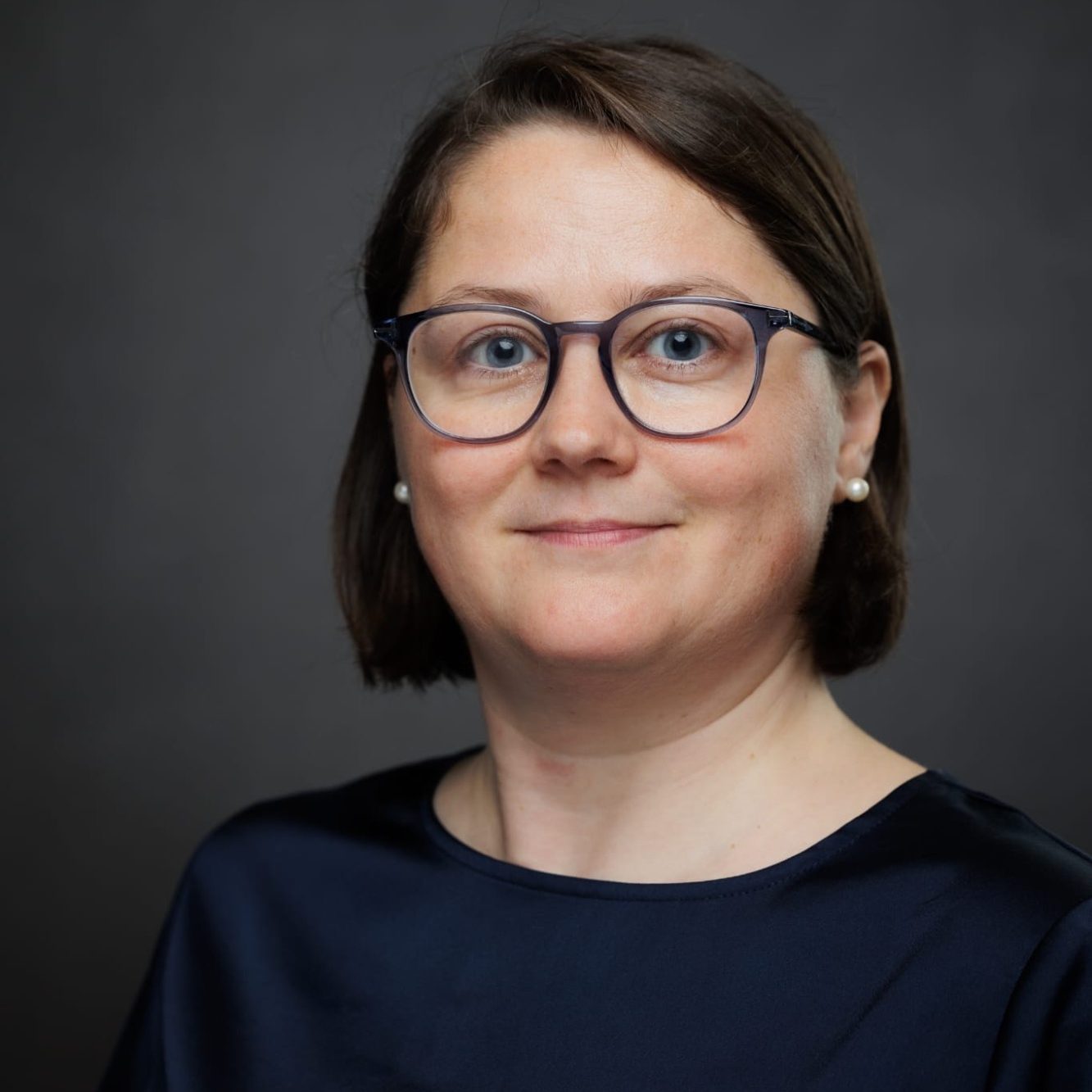
Dr Alina Dolea
FOUNDER & CHAIR
Dr Alina Dolea is Associate Professor in Strategic Communication and Public Diplomacy and Head of School of Law and Society at Bournemouth University. Her expertise covers public diplomacy and diaspora diplomacy, nation branding, migration, and media studies. She published Twenty years of (re)branding post-communist Romania. Actors, discourses, perspectives - 1990-2010, Branding Romania (co-author) and several journals and chapters. Her current research explores how emotions and non-state actors shape public diplomacy, sometimes reinforcing other times contesting state's strategic communication and soft power. She focuses particularly on Romanian diasporas, examining how their transnational existence not only foster cultural and political influence across borders, but also reshape and disrupt diplomatic engagement and state narratives.
Adina Maglan
CO-CHAIR
Adina Maglan is a community innovator and social policy specialist focused on advancing racial equity and inclusive governance in the UK. She is completing a fully funded PhD at Bournemouth University examining the marginalisation of diaspora communities and proposing frameworks to strengthen their participation in decision‑making. With over 12 years’ public and voluntary sector experience, she has led multiple initiatives supporting EU communities and secured more than £1.5 million for public and third‑sector projects. Adina's expertise and practical experience in community development, public policy, EDI, Racial Equity, and Community Leadership will be reflected in ACORD UK's projects.
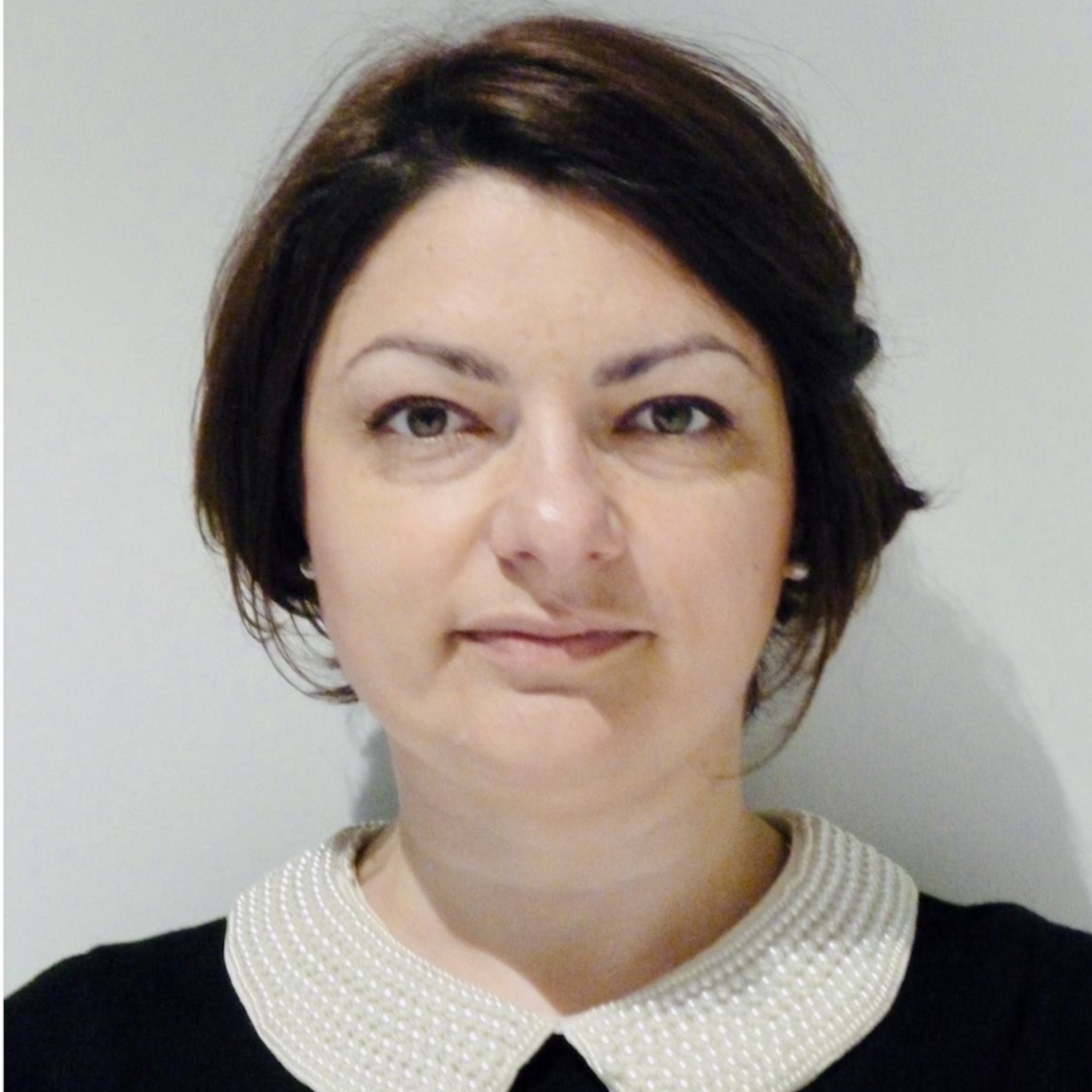
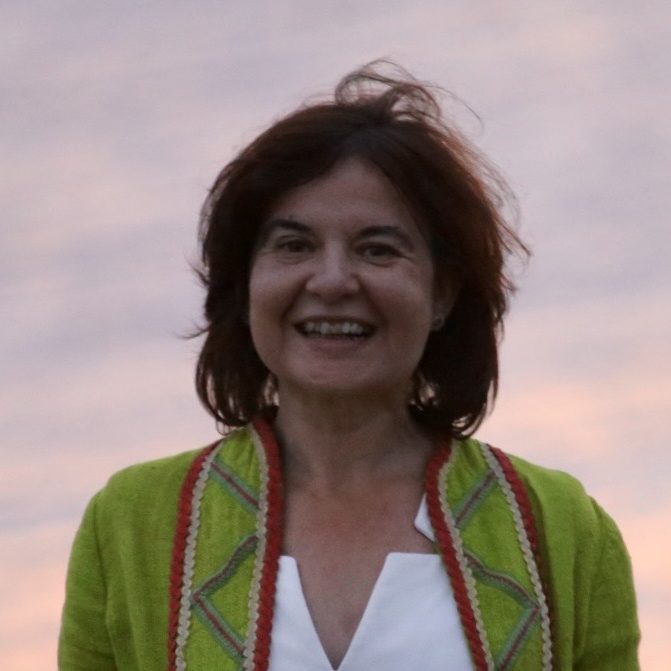
Cristina Irimie
SECRETARY
Cristina Irimie is an entrepreneur and community engagement specialist with over twenty years’ experience working with the Romanian diaspora in the UK, from the pre‑accession period through the post‑Brexit landscape. Her practice-based work spans vocational development, community education, migrant labour mobility, and diaspora communication, supported by extensive experience helping workers gain qualifications in the UK construction sector. Cristina has also played a key editorial role amplifying migrant perspectives and strengthening connections between Romanian communities and British civic life. A former Secretary of the Council for Romanians Living Abroad, she continues her civic involvement as a trustee supporting grassroots initiatives for young people.
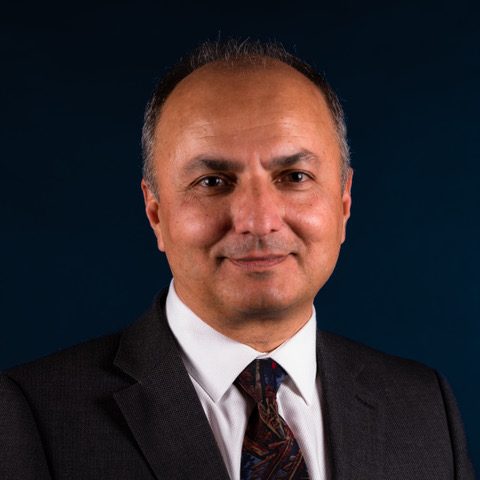
Dr Tudor Toma
Dr Tudor Toma is a respiratory consultant physician in London whose career spans clinical practice, research, education, and international professional collaboration. He works in acute and respiratory medicine within the NHS and has contributed to national and cross‑border training programmes. His publications cover bronchoscopy, lung volume reduction, thoracic ultrasound, and the use of generative AI in clinical workflows. Dr Toma holds a PhD from Imperial College London and mentors clinicians and trainees across Europe. A dual Romanian–UK citizen, he brings a mix of frontline NHS experience, academic work, and diaspora engagement to help Romanian voices in the UK contribute informed, evidence-based expertise to public debate and policy design.
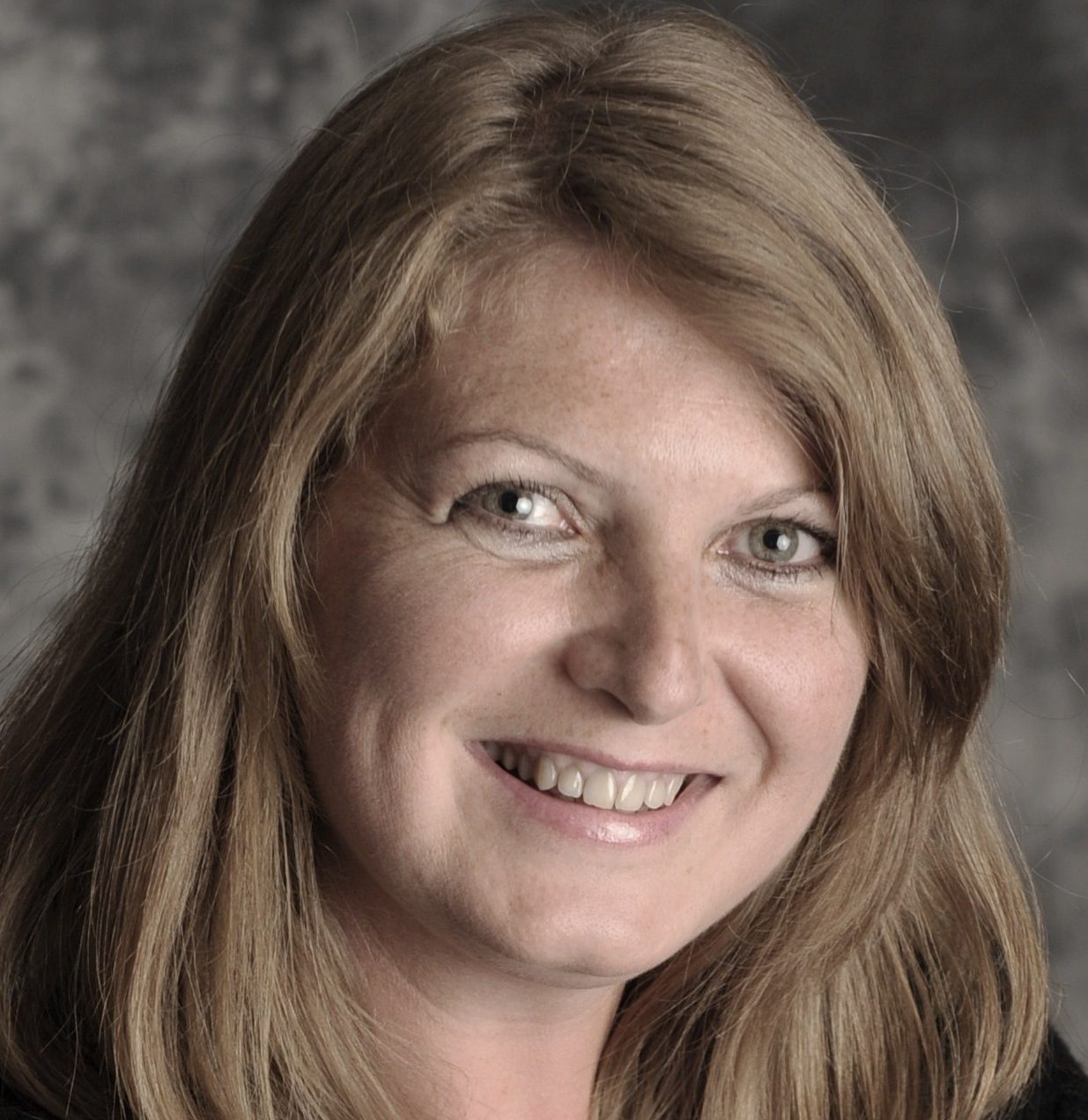
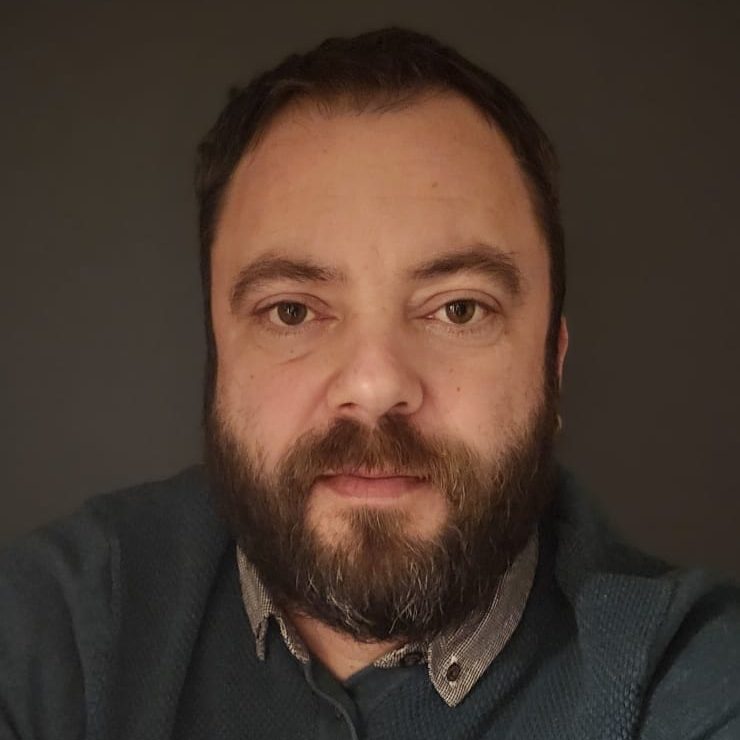
Ramona Gonczol
Ramona Gonczol is Associate Professor of Romanian Language Studies at the UCL School of Slavonic and East European Studies, where she has taught since 2000. She founded and convenes PROLang, an interdisciplinary group promoting the 17 languages taught at SSEES and their related research, and coordinates the School’s Language Short Courses programme. Ramona is the author of Romanian: An Essential Grammar and co‑author of Colloquial Romanian. Her research focuses on language acquisition, heritage speakers, cultural identity, diaspora experiences, multilingualism, and language policy. She is an active advocate for a GCSE in Romanian and engages extensively in schools‑based outreach. She received the Romanian Order for Cultural Merit in Promoting Romanian Culture and Language Abroad in 2018.
Prof Ruxandra Trandafoiu
Ruxandra Trandafoiu is Professor of Politics, Communication & Diaspora at Edge Hill University. She researches the digital political engagement of Eastern European diasporas, the effect of Brexit on EU nationals in the UK, and European politics and migration policy from a comparative perspective. She is the author of Diaspora Online: Identity Politics and Romanian Migrants and The Politics of Migration and Diaspora in Eastern Europe: Media, Public Discourse and Policy, as well as numerous book chapters and articles that explore the relationship between activism, social media and mobility.
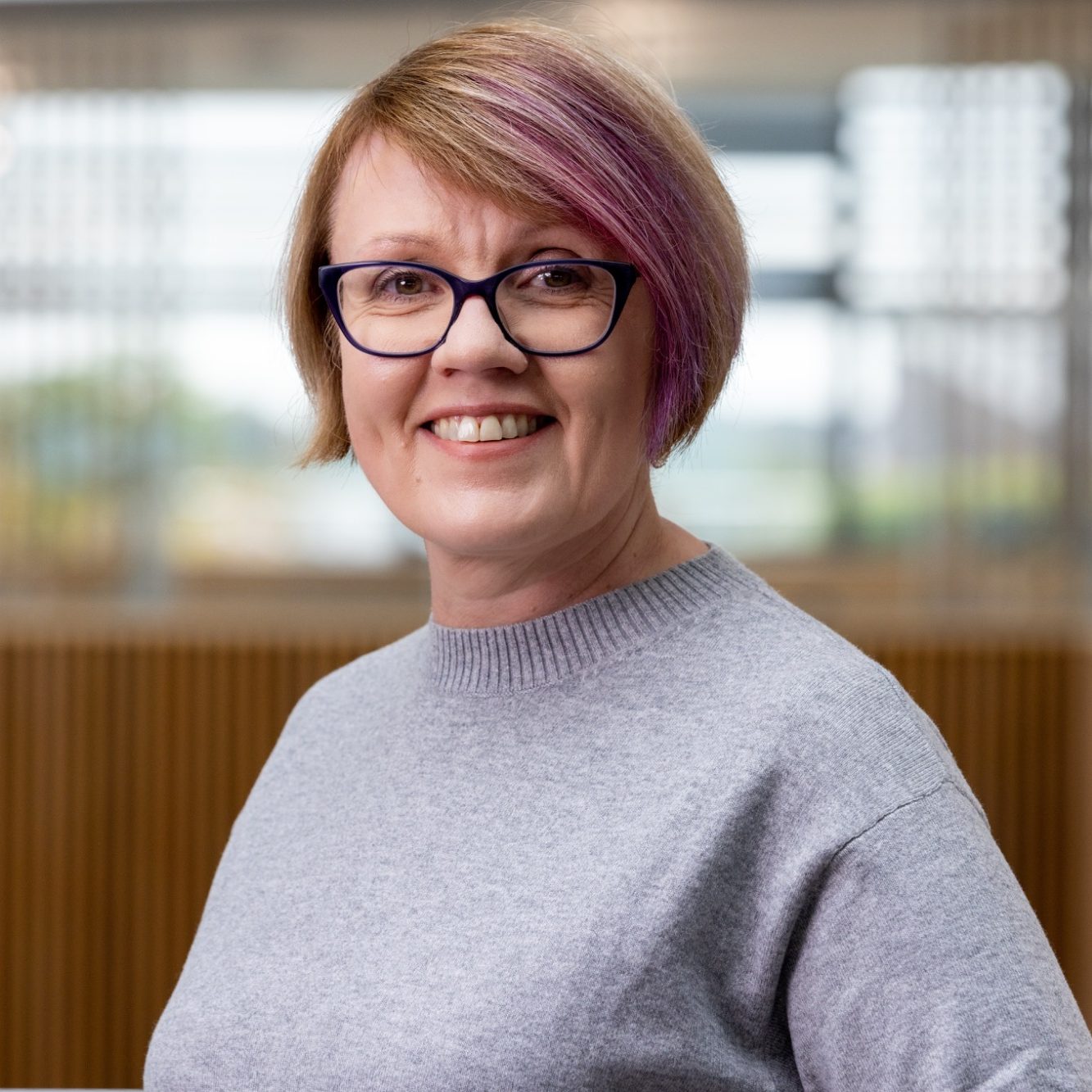
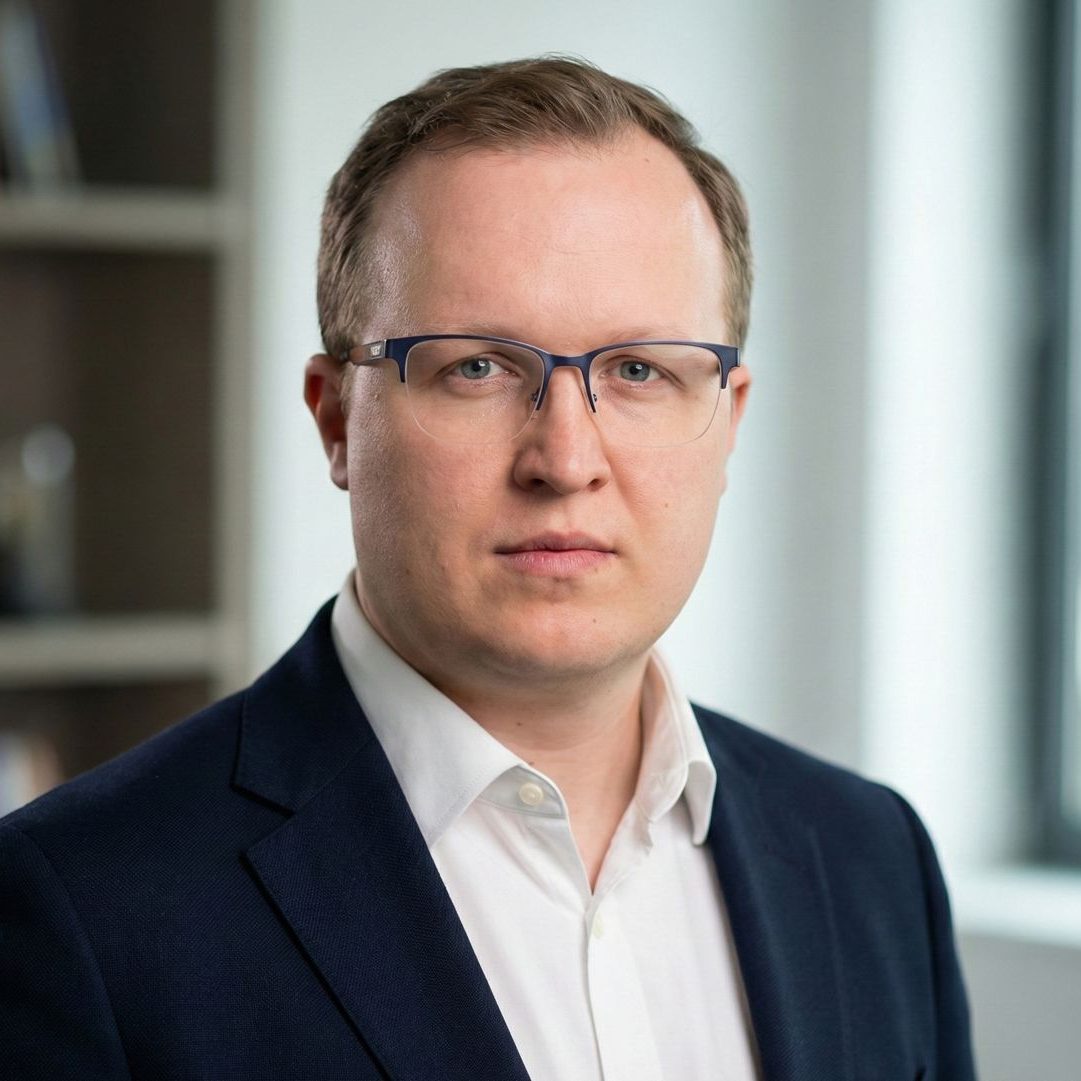
Marius Comper
Marius Comper is the International Editor at the UK‑based news aggregator NewsNow, with more than twenty years’ experience in digital journalism, content curation, and audience development. A Romanian based in London, he has worked across sport, science, and general news, specialising in building high‑quality, data‑informed news streams for large audiences. Through his editorial work and active social media presence, he focuses on improving news literacy and countering simplistic or stigmatising narratives about migration and minorities. Within ACORD UK, he contributes expertise on media ecosystems, platform dynamics, and communication strategy, helping connect evidence and lived experience with policymakers and journalists.
Dr Oana Burcu
Dr Oana Burcu is a development manager with expertise in business and human rights, supporting organisations to address modern slavery and labour exploitation across operations and global supply chains. She focuses on strengthening capacity for decent work, responsible recruitment, and ethical workplace standards, while providing evidence‑based insights to governments and stakeholders to drive systemic change. With an academic background in labour exploitation and Chinese politics, Oana has served as a senior researcher and lecturer at the Universities of Nottingham and Durham. She also has extensive experience in grant writing and project management, leading major projects with UK and Romanian partners.
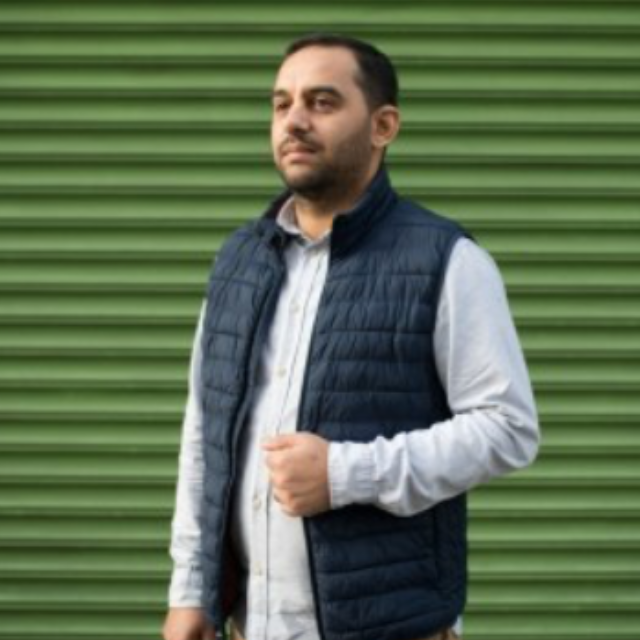
Mihai Bica
Mihai Bica is a member of the Romanian Roma community with over ten years’ experience working directly with Roma communities in the UK. He coordinates policy and campaigns at the Roma Support Group, a leading Roma‑specific charity in the UK. Mihai has worked across a wide range of issues affecting Roma people, including the Brexit transition, the EU Settlement Scheme, rough sleeping, education, health, data collection, voting rights, and the protection of Roma children in care. His work focuses on improving institutional responses, strengthening advocacy efforts, and ensuring Roma voices and lived experience shape policy and public debate.
Bogdan Cronț
Bogdan Cront is a journalist, writer, and digital content creator whose storytelling highlights the lived experiences of Romanians in the UK. Drawing on a diverse work history—from delivery driving to construction and heavy‑machinery roles—he brings authentic insight into the perspectives of communities often unheard in public debates. Through his humorous and empathetic reflections, Bogdan has built an online community of over half a million followers across the diaspora. His work centres on listening, understanding, and fostering dialogue in an increasingly polarised information environment. He now brings this experience and commitment to his work with ACORD UK.